
Young Plasma Exchange for Inflammation: Why Longevity Medicine Is Paying Attention
One of the biggest shifts happening in longevity medicine right now is the realization that aging is not only about damaged tissues or worn-down joints. It is also about the biochemical messages circulating through the body every second of the day.
Your blood is constantly carrying signals that influence inflammation, immune activity, recovery, energy production, and repair. As we get older, those signals begin to change. The body gradually moves toward a more inflammatory state, even in people who appear healthy on the surface.
Researchers now often refer to this process as inflammaging.
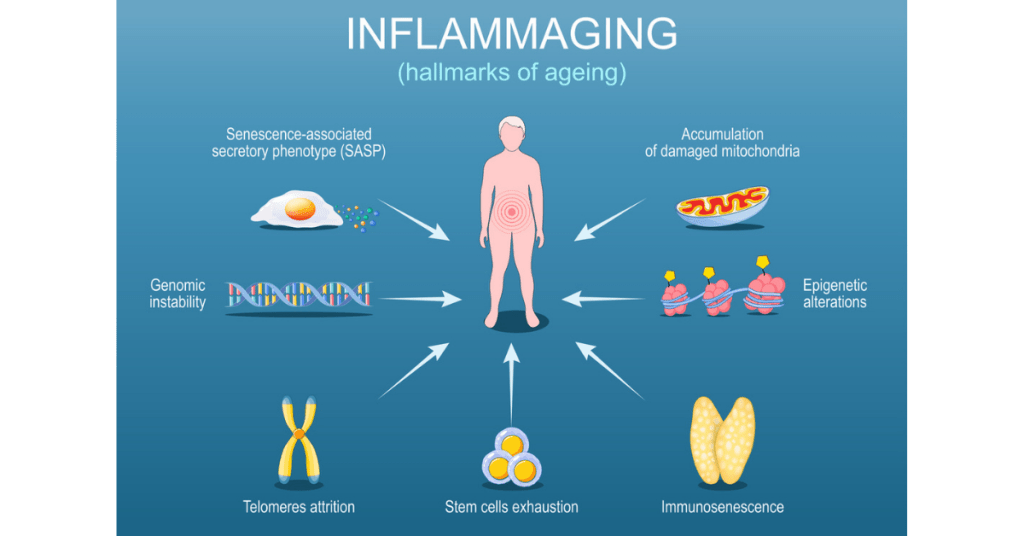
That growing understanding is part of why young plasma exchange for inflammation has become such an interesting topic in regenerative and longevity medicine.
At Austin Regenerative Therapy, we look at aging through a broader lens. Yes, aging affects the structure of the body. But it also affects the environment those tissues live in. If the bloodstream becomes increasingly inflammatory over time, that influences everything from recovery and cognition to metabolic health and immune balance.
Most people think of inflammation as something obvious like swelling or an injury. But chronic inflammation often looks much quieter than that. Sometimes it shows up as slower recovery after exercise, brain fog, more joint stiffness, lower energy, disrupted sleep, stubborn weight gain, or feeling less resilient under stress than you used to.
Many high-performing patients notice these changes years before they develop a diagnosable disease.
Over time, the plasma can accumulate inflammatory cytokines, dysfunctional immune signals, oxidized proteins, metabolic waste products, and senescent cellular factors. Those molecules can continue reinforcing inflammatory pathways throughout the body. This is where plasma-based therapies become interesting.
The idea is relatively simple. If aging plasma contributes to inflammatory signaling, what happens when you remove some of those inflammatory factors? That question has been driving a tremendous amount of research over the last several years.
Much of the early excitement came from animal studies called parabiosis experiments, where older mice exposed to younger circulation demonstrated improvements in tissue repair and physiologic function. Researchers began finding that simply diluting or removing aged plasma itself might produce beneficial effects, even without “young blood” in the dramatic way the media often portrays it.
In 2025, a Buck Institute clinical trial examining therapeutic plasma exchange (TPE) in adults over 50 added more attention to the field. Researchers evaluated epigenetic aging clocks, immune markers, metabolomics, and proteomic changes before and after treatment. Participants receiving TPE plus IVIG demonstrated measurable improvements in biological age markers, with some averaging roughly a 2.6-year reduction in biological age estimates.
That does not mean plasma exchange reverses aging. What these studies suggest is more nuanced. Modifying the plasma environment may influence biological pathways associated with inflammation, immune aging, and metabolic stress.
Traditional therapeutic plasma exchange involves removing a portion of a patient’s plasma and replacing it with solutions like albumin and saline. Young Plasma Exchange (YPE) builds on that concept by replacing removed plasma with plasma from carefully screened young donors.
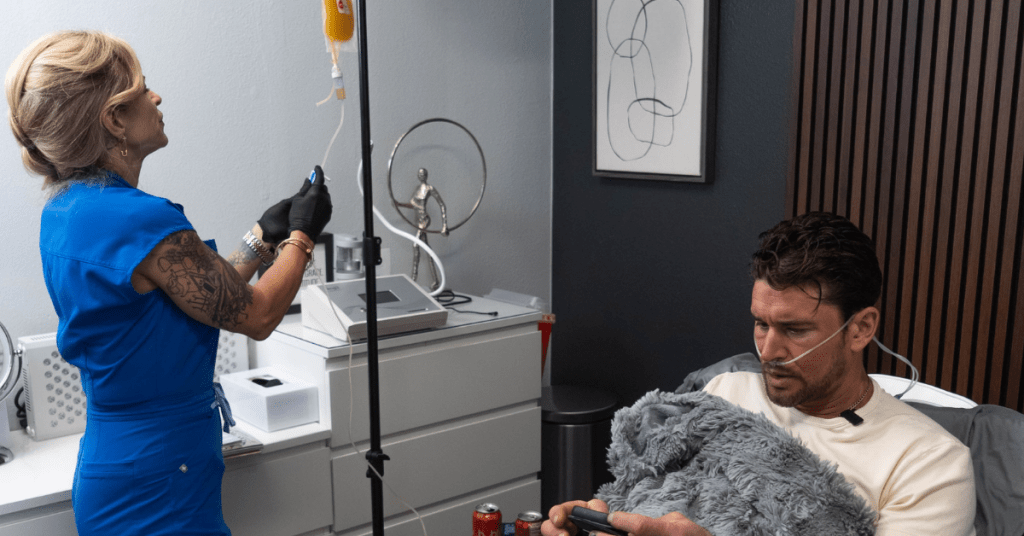
The real interest is whether changing the plasma environment can help reduce inflammatory load and support healthier cellular communication. Many of the patients interested in young plasma exchange are not coming in because they are sick. They are often executives, entrepreneurs, physicians, athletes, and health-conscious professionals trying to stay ahead of decline rather than react to it later.
A lot of them already optimize sleep, strength training, nutrition, metabolic health, recovery, hormone balance, and stress management. But they still notice subtle changes beginning to happen.
That is usually what drives the conversation.
Not vanity. Not chasing immortality.
People want to maintain cognitive sharpness, physical capacity, independence, and quality of life as long as possible. I think it is important to stay balanced when talking about therapies like this.There is legitimate scientific interest here. The data are becoming more sophisticated, and some of the early findings are genuinely exciting.
At the same time, long-term human outcome data remain limited, and biomarker improvements do not guarantee symptom improvements or lifespan extension.
Sleep matters. Nutrition matters. Metabolic health matters. Exercise matters. Hormones matter.
No advanced therapy overrides poor physiology.
That is why plasma-based therapies make the most sense inside a larger strategy focused on reducing inflammation, improving recovery capacity, and supporting long-term healthspan. Interest in young plasma exchange for inflammation is growing because the science around aging itself is evolving. We are beginning to understand that chronic inflammation and altered biological signaling may play a much larger role in aging than previously thought.
There is still a lot we do not know. But this field is no longer fringe science either.
Sources
- Buck Institute for Research on Aging – Clinical Trial and Multi-Omics Analysis Demonstrates the Impact of Therapeutic Plasma Exchange on Biological Age
- PubMed – Multi-Omics Analysis Reveals Biomarkers That Contribute to Biological Age Rejuvenation in Response to Therapeutic Plasma Exchange
- Wiley Online Library – Multi-Omics Analysis Reveals Biomarkers That Contribute to Biological Age Rejuvenation in Response to Therapeutic Plasma Exchange
- PMC – Human Clinical Trial of Plasmapheresis Effects on Biomarkers of Aging
- Austin Regenerative Therapy – Young Plasma Exchange
- Austin Regenerative Therapy – Resetting the Signals of Aging
- Austin Regenerative Therapy – The CEO’s Guide to Young Plasma Exchange
